About us
We are a cooperative made up of real people. We believe food is what brings people together. That is why we work side by side with producers, employees, and retailers to deliver quality you can trust. Our strength comes from the union of five major cooperatives, turning collective effort into products that help nourish better lives, every day. It is not just about production, it is about responsibly and sustainably connecting the field to the table, always with a human touch. That is how we bring real food to everyday life.
Cooperation that nourishes, from the field to the table.
To nurture better family lives, every day.
- Cooperation that strengthens
- Quality that inspires trust
- Respect for our entire community
- Social and environmental responsibility
- Honesty and integrity
- Agile and efficient operations
- Innovation with purpose.
Purposes
Delight our customers
Do the right thing
Comply with the law
Preserve the environment
Care for people
Achieve results
Foster creativity and innovation
Prioritize quality
Our history
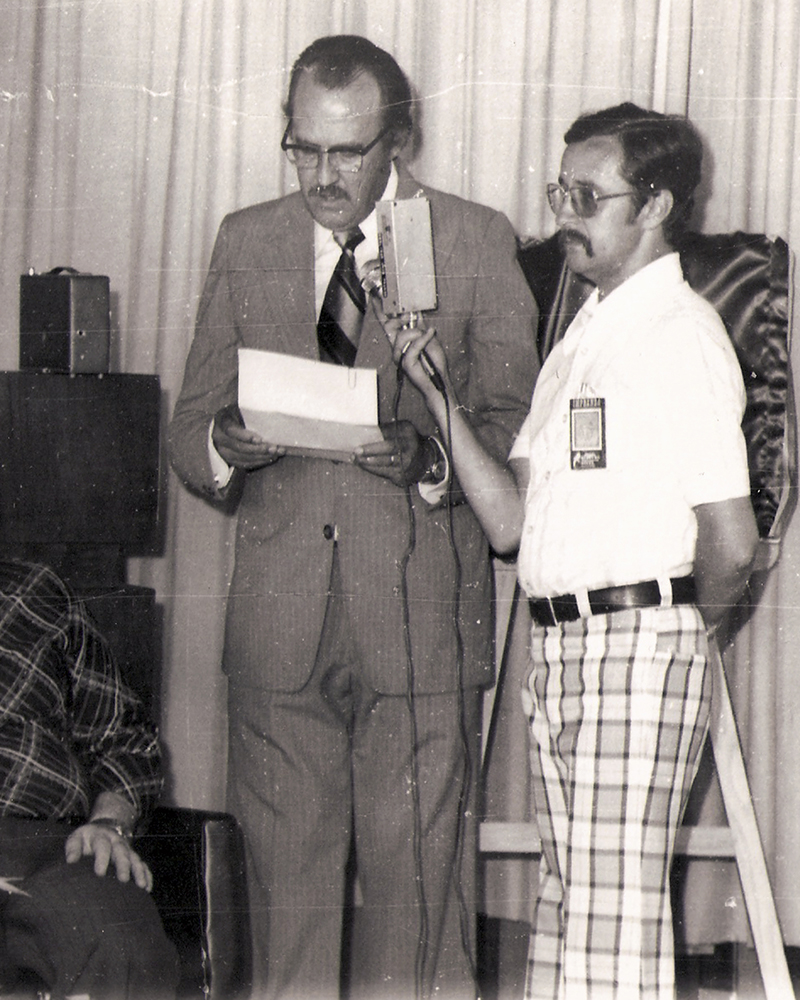
The Beginning
The story began on December 13, 1977. The four founding cooperatives — Coasul, Confrabel, Camdul, and Coopersabadi — united 6,800 producers in Southwest Paraná. Sudcoop Central Cooperative was established with a mission to ensure fair income for producers, going beyond primary production to embrace agro-industrialization.
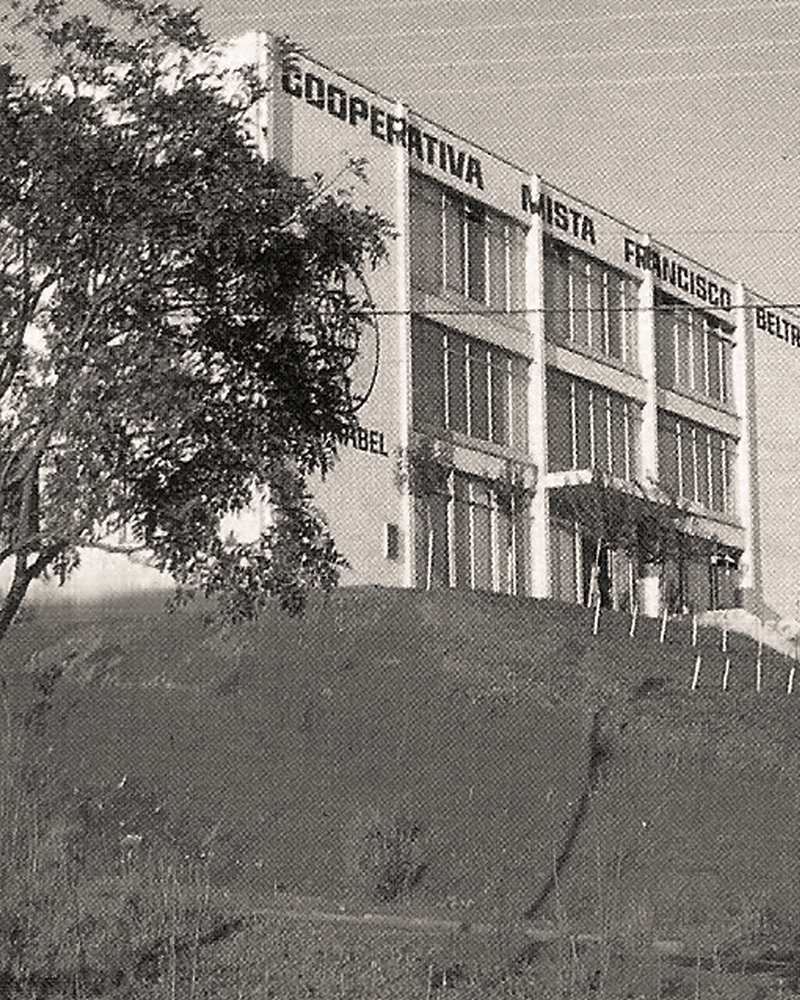
Start of Operations
Sudcoop began operating from its headquarters in Francisco Beltrão, in the southwest of Paraná. In the same year, studies were launched for the implementation of the first pig agroindustry. At that time, the cooperative movement in the region was emerging, led by Cotrefal Cooperative.
This development enabled the purchase of Frigorífico Medianeira and marked the beginning of Sudcoop’s operational activities in the meat segment.
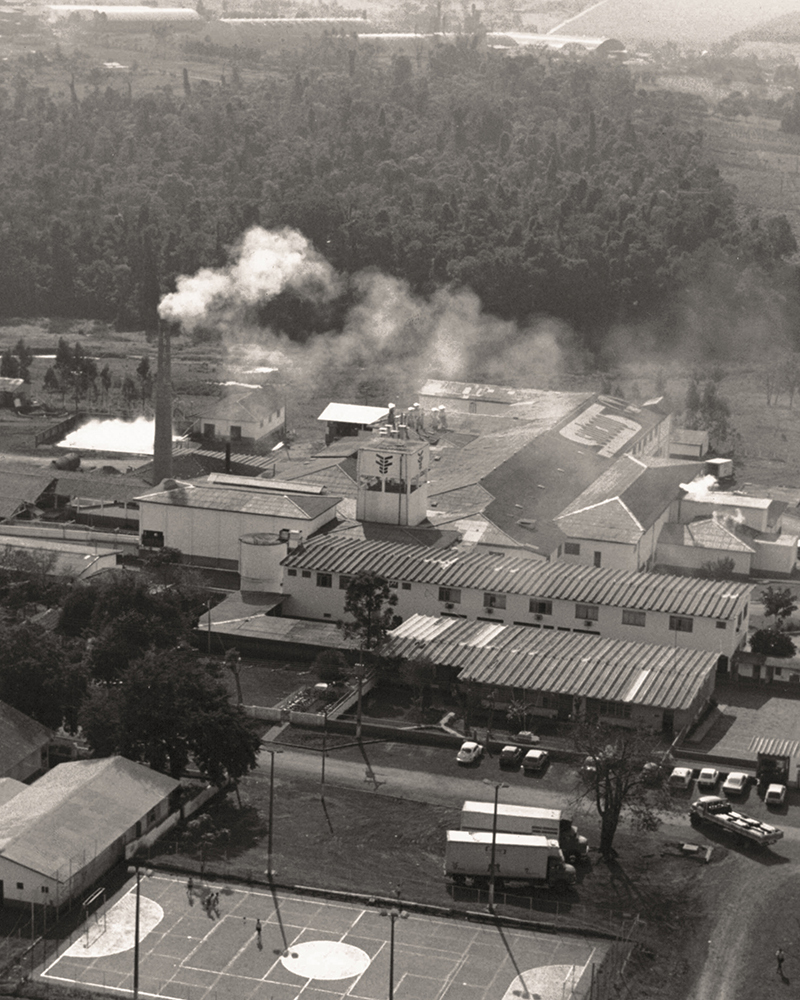
Industrialization of Meat and Dairy Products
The slaughterhouse opened with a capacity of 500 pigs per day, producing sausages, cured and smoked meats, salami, coppa, and mainly fresh cuts. The Central maintained the original brand name, which originates from Frigorífico Medianeira S.A. In August, with the purchase of two Laticínios Rainha plants, the Central expanded its operations to include milk production, marking a significant step in its dairy sector.
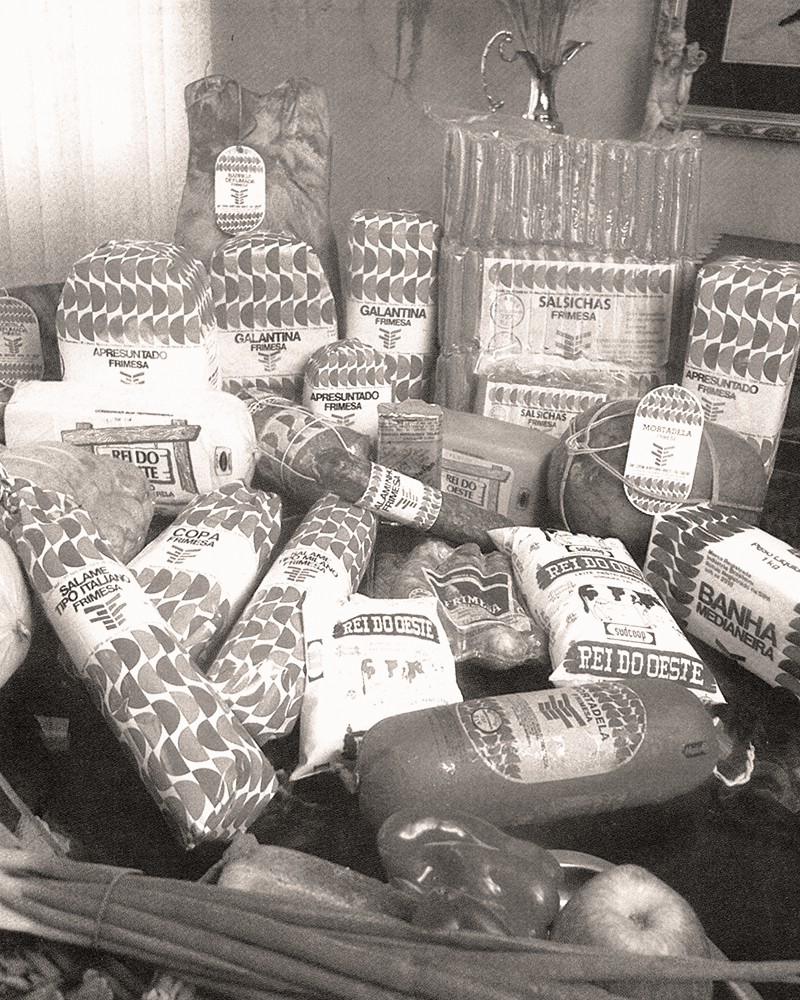
Working with the brands Frimesa, Rei do Oeste and Iguaçu
Financial and operational challenges led to the disaffiliation of the founding cooperatives. Additional milk units were acquired, allowing the plant to reach a capacity of 100,000 liters per day. With these acquisitions, Sudcoop now operates under three brands: Frimesa, for meat products, and Rei do Oeste and Iguaçu for milk and feed. Frimesa’s headquarters were relocated to Medianeira, in western Paraná.
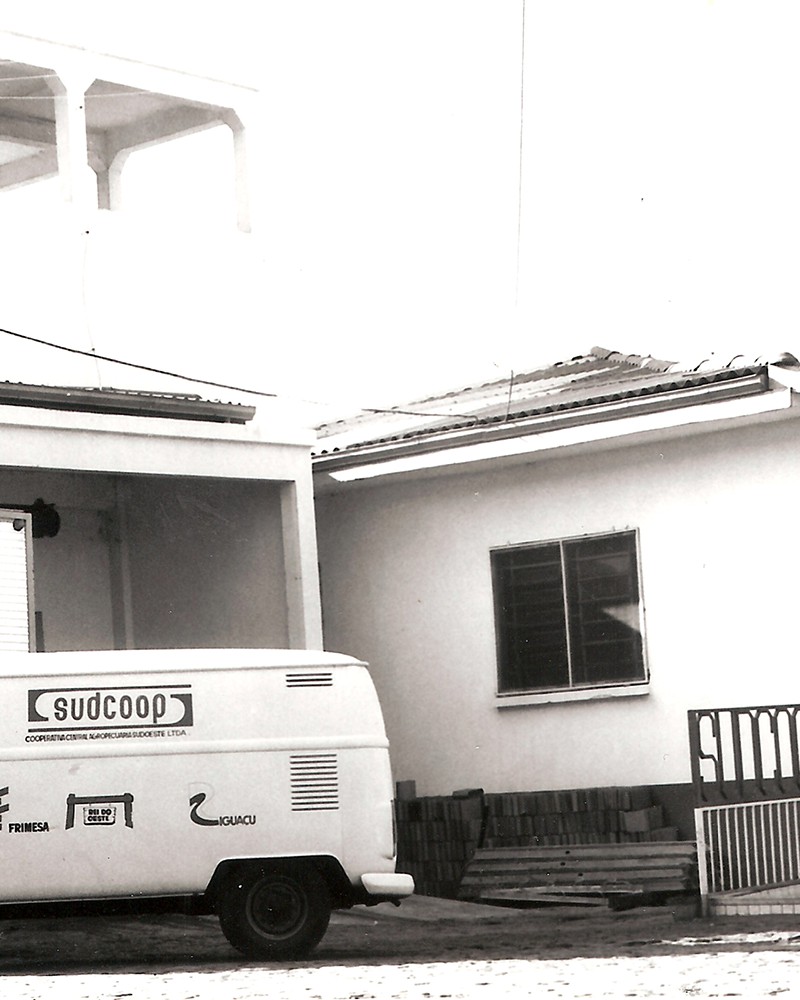
Growth in Production and Distribution
With a new board of directors, Central Frimesa embarked on a renewed path to regain the trust of producers and the market. To encourage production, a pig bonus system was implemented. Employee training programs began, along with functional reorganization and the opening of new sales branches in Curitiba (PR) and Joinville (SC). Fifteen new products were launched, expanding the portfolio to 118 items. At the meat packing plant, annual slaughter reached 205,000 pigs and 3,000 cattle.
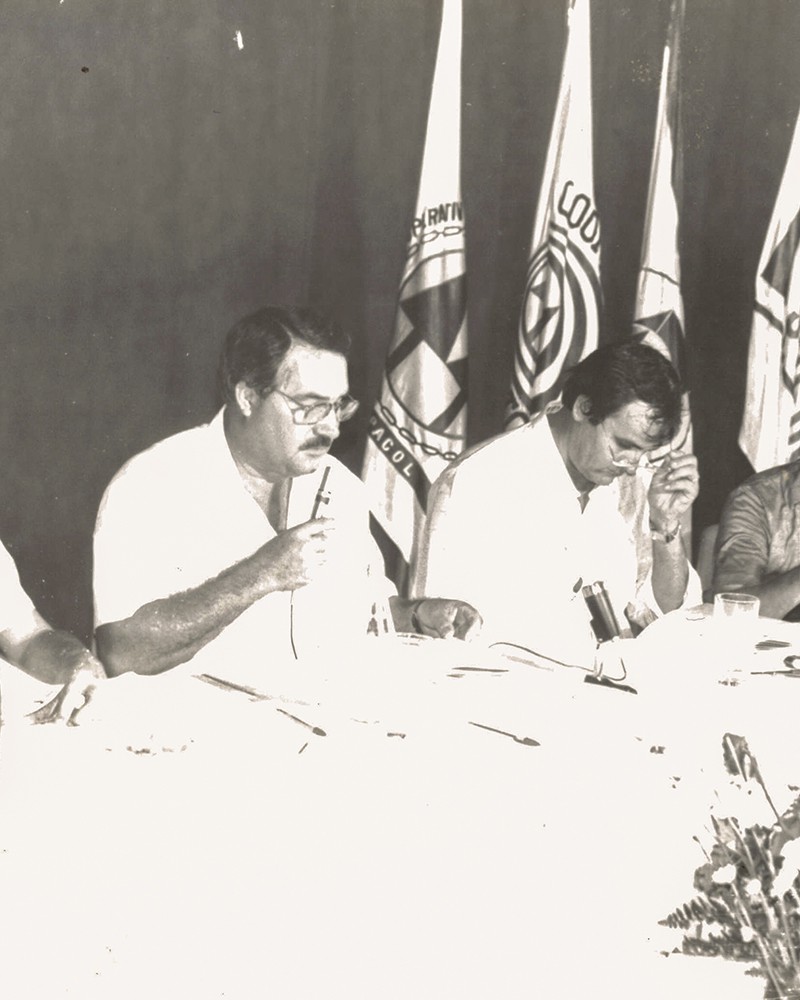
New Management
A new management team arrived with strategic goals to strengthen Central Sudcoop, both industrially and at the primary level, helping producers maintain consistent production with higher productivity and improved quality for milk and pork. Industrialization began to take shape, with new factories and enhanced processes being implemented.
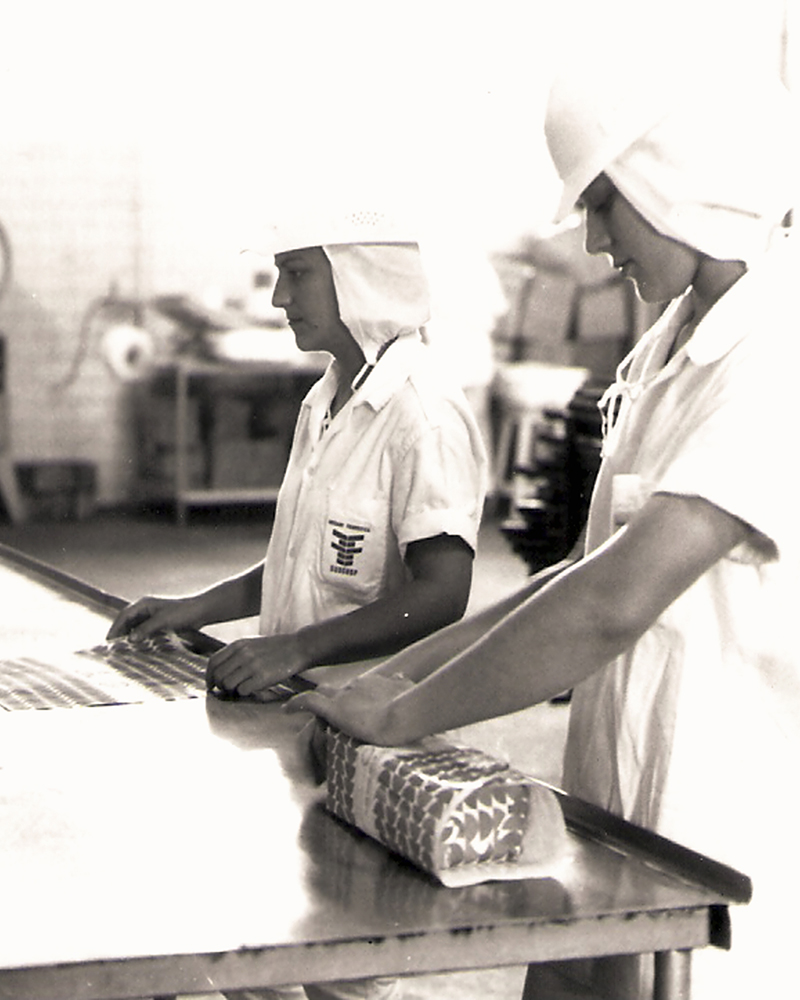
Modernization of Processes
The first expansion of the Medianeira slaughterhouse is underway to modernize processes, improve the product mix, and reach a slaughter capacity of 1,200 pigs per day and a processing capacity of 1,000 tons per month. In the milk sector, Sudcoop also prioritized projects to expand its industrial base. The cornerstone for the Cheese Factory Unit (UFQ) in Marechal Cândido Rondon was laid, marking a major step in dairy production.
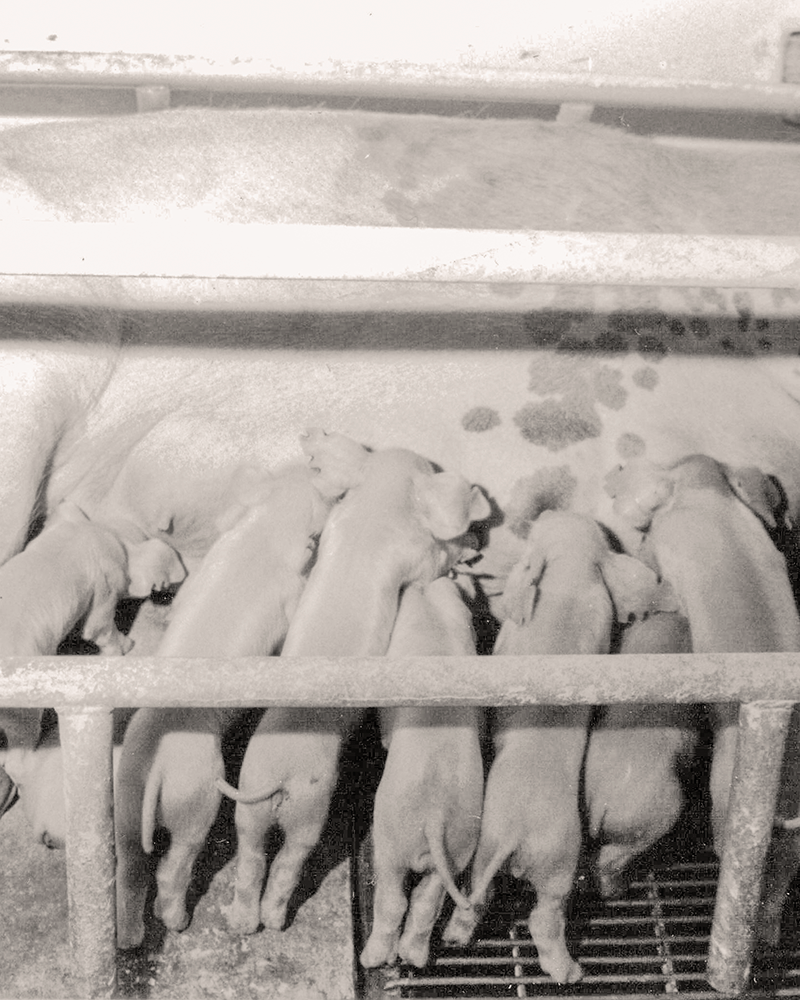
Genetic Improvement
Sudcoop was officially recognized as a company qualified for export. At the same time, to boost the production of associated pig farmers, the Pig Genetic Improvement Unit (UMGS) began operating with a herd of 180 sows. Frimesa imported semen for genetic crossing studies to develop a lineage with the best breeding and management traits for the cooperatives’ area of operation.
Formation of the Dairy Basin
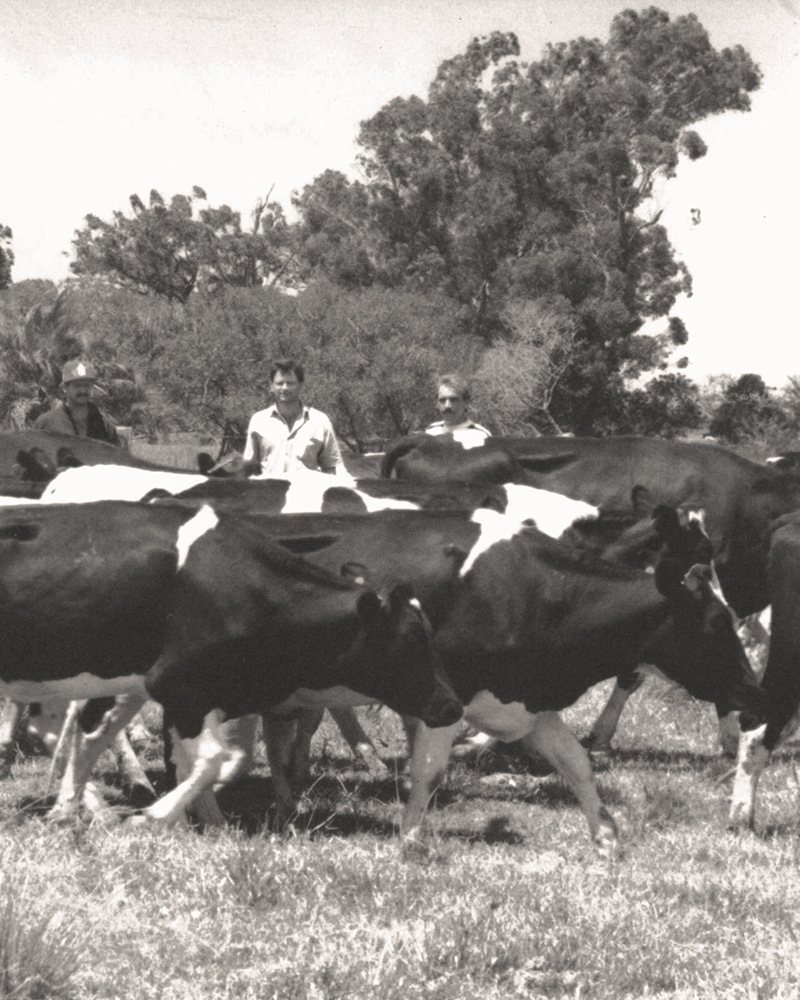
With Sudcoop’s Dairy Basin Development Plan, initiatives began to build a more productive herd across the cooperatives’ area of operation. The milk quality payment program was launched, along with financing options for equipment purchases and the hiring of professionals to train and support associated producers. These actions led to the creation of a large and highly productive dairy basin in Western Paraná. The project transferred more than 10,000 heifers to the region.
Strategic Planning
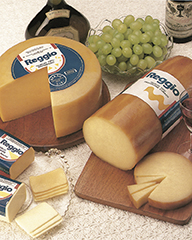
Central Sudcoop opened its Cheese Factory in Marechal Cândido Rondon and launched the Reggio brand, producing specialty cheeses like parmesan and provolone, alongside traditional mozzarella and prato. Strategic planning was implemented to achieve more efficient management and better results. Additionally, quality and productivity management tools were introduced through Total Quality Sudcoop (QTS), based on the TQC (Total Quality Control) methodology, with a strong focus on customer satisfaction.
Logo Redesign
After nearly twenty years on the market, the Frimesa logo received its first redesign. The new design symbolizes a plate or a smile. At the same time, the meat processing plant was expanded to a daily capacity of 1,500 animals, the slaughter process was modernized, and a freezing tunnel was installed.
Renewed Investments
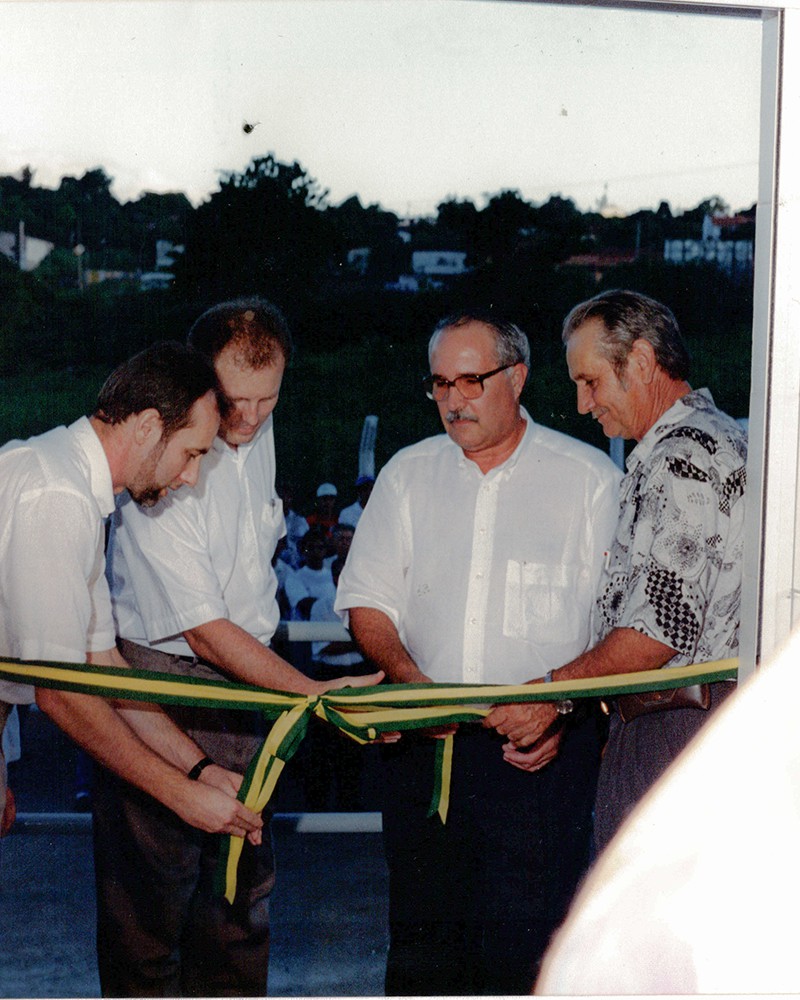
With a new management model and board of directors, Frimesa’s administration was modernized, creating a leaner, more agile, and professional structure for strategic decision-making. The company resumed investments, expanding employee training and development through the creation of Sescoop and improving strategic planning with organizational restructuring. The modernization of milk collection was completed with the introduction of isothermal bulk trucks.
Brand Unification
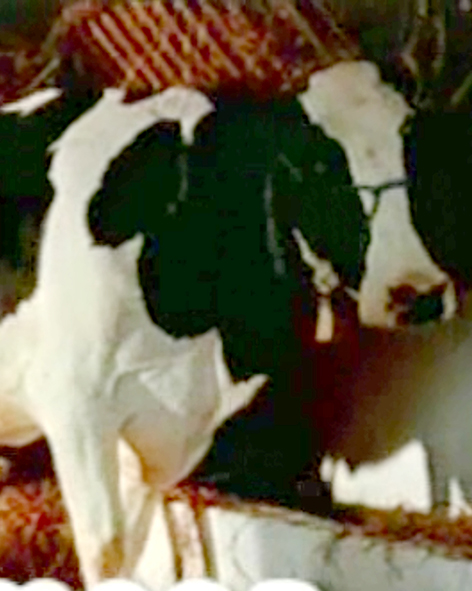
To strengthen communication and create synergy in sales, Sudcoop unified the sale of meat and dairy products under the Frimesa brand. To announce this to the market, an unconventional advertising campaign was launched. The campaign featured the image of the pig “Babe” suckling from a cow, symbolizing the union of the two product segments.
Growth in Milk Volume
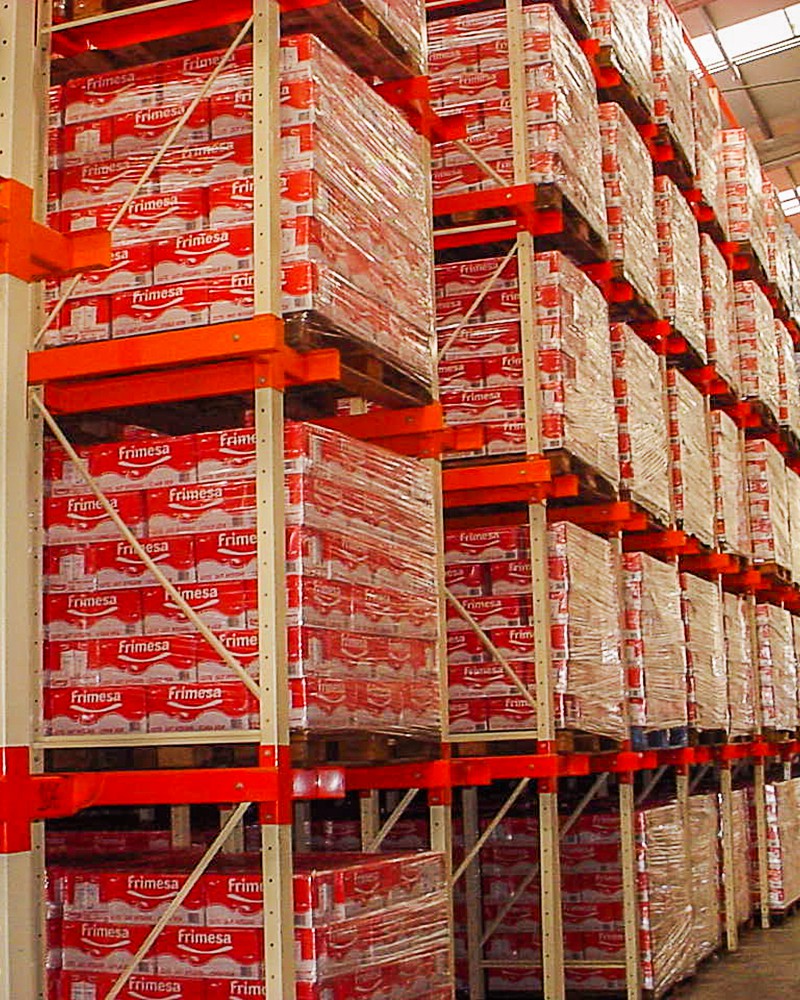
To enhance performance in the dairy segment, the board of directors defined a strategy focused on increasing production volume and optimizing costs. As part of this plan, the CLAC and Witmarsun brands were integrated into Centralpar, enabling Frimesa to expand its portfolio with new products such as creamy cheese, yogurt, petit suisse, and long-life cream.
New Positioning
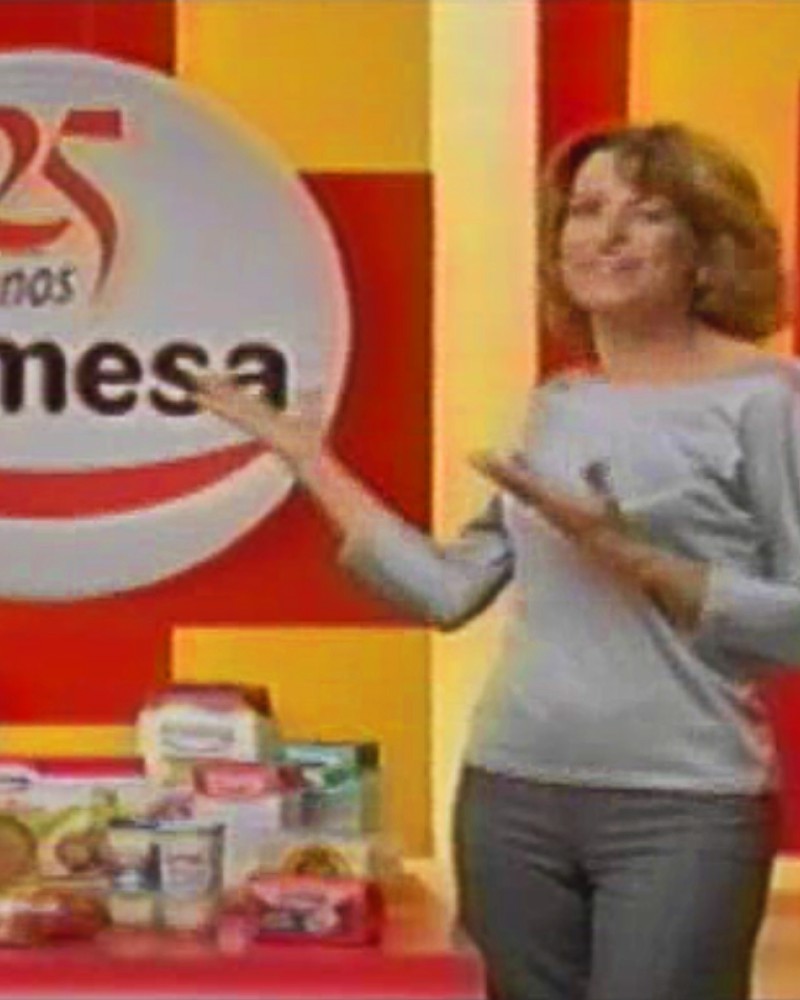
In response to market challenges, Frimesa adopted a new brand positioning, marked by improvements in sales and distribution, a reassessment of the product portfolio, expanded communication efforts, and the strengthening of commercial relationships. The logo was modernized, and the new slogan, “It tastes like friendship,” was introduced. Soon after, a new visual identity was applied to the packaging, creating a consistent look across all product categories. Additionally, the Product Committee was established.
Friminho Launch
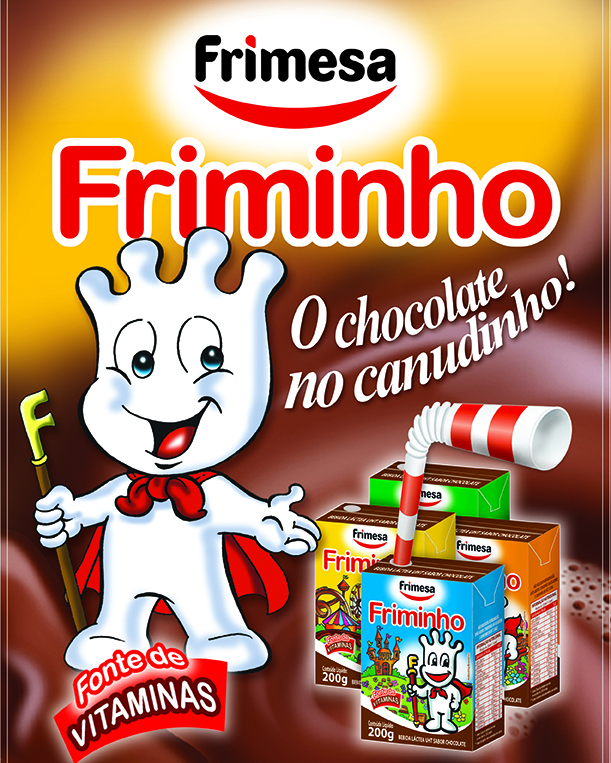
Alongside the investment in industrial modernization at the Marechal Cândido Rondon unit, a new character gained the spotlight: Friminho, Frimesa’s mascot and ambassador for the children’s product line. This period also marked the launch of new products.
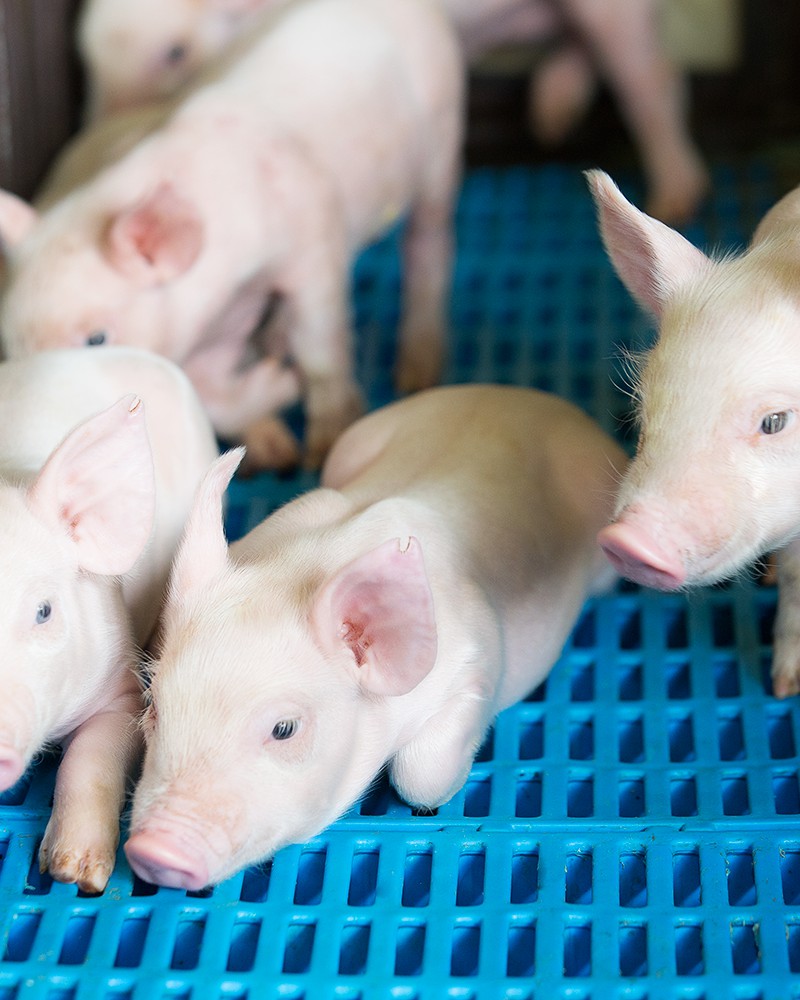
Growth in Pig Farming
Frimesa, together with its affiliated cooperatives, launched the 2005-2015 Project, aiming to increase pork production by 400%. The plan sought to expand the herd from 340,000 to over one million pigs. To achieve this goal, Frimesa began investing in the Medianeira industrial unit, reaching a daily processing capacity of 6,500 pigs.
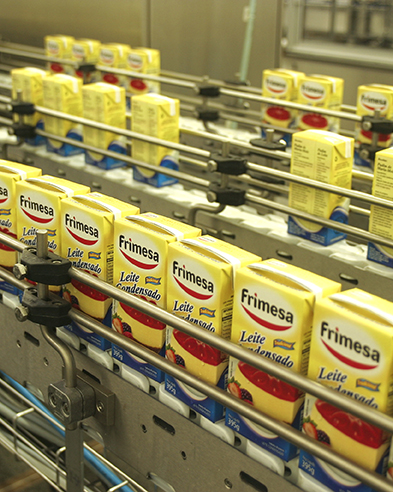
Condensed Milk Factory
With a strategic focus on adding value to its products, Frimesa opened Paraná’s first condensed milk factory in Marechal Cândido Rondon. The expansion increased the unit’s industrial capacity by 400%, driven by the automation of cheese production, modernization of the long-life line, and launch of new products.
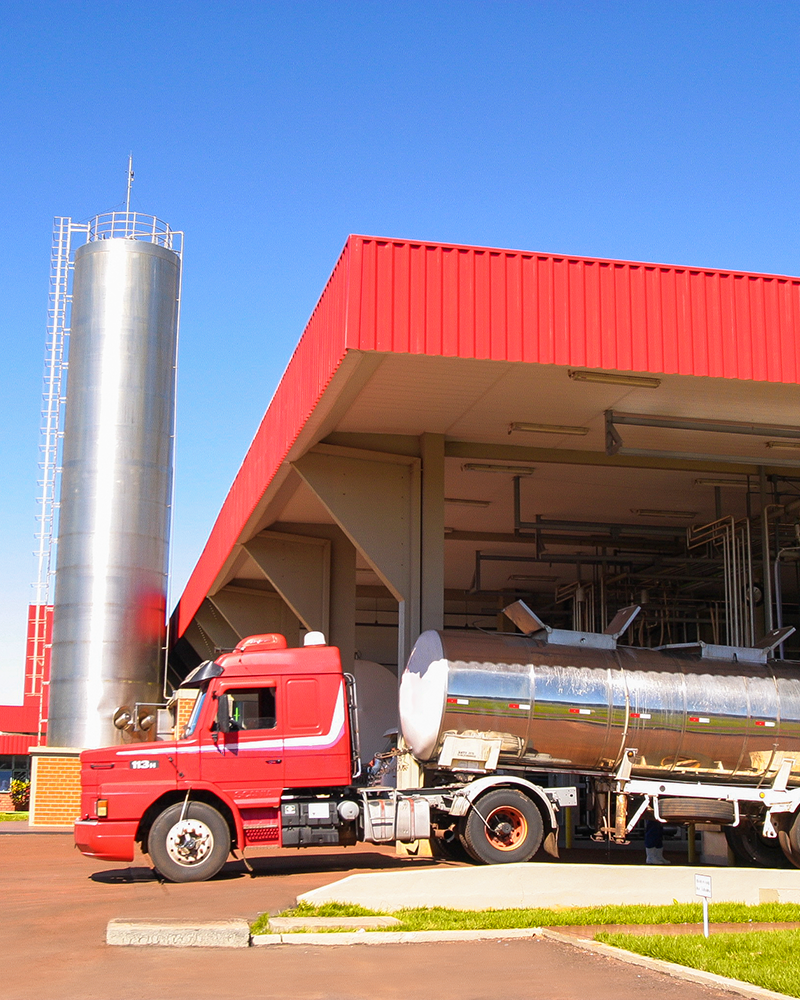
Milk Optimization
Frimesa reopened the Aurora plant in Santa Catarina. As pasteurized milk became unviable, the company redirected its investments to convert the facility into a cheese factory. An investment of one million reais enabled a production capacity of 150,000 liters per day. The board of directors also decided to close the plants in Cascavel, Nova Santa Rosa, and Douradina, centralizing dairy operations in the cooperatives’ main region of activity.
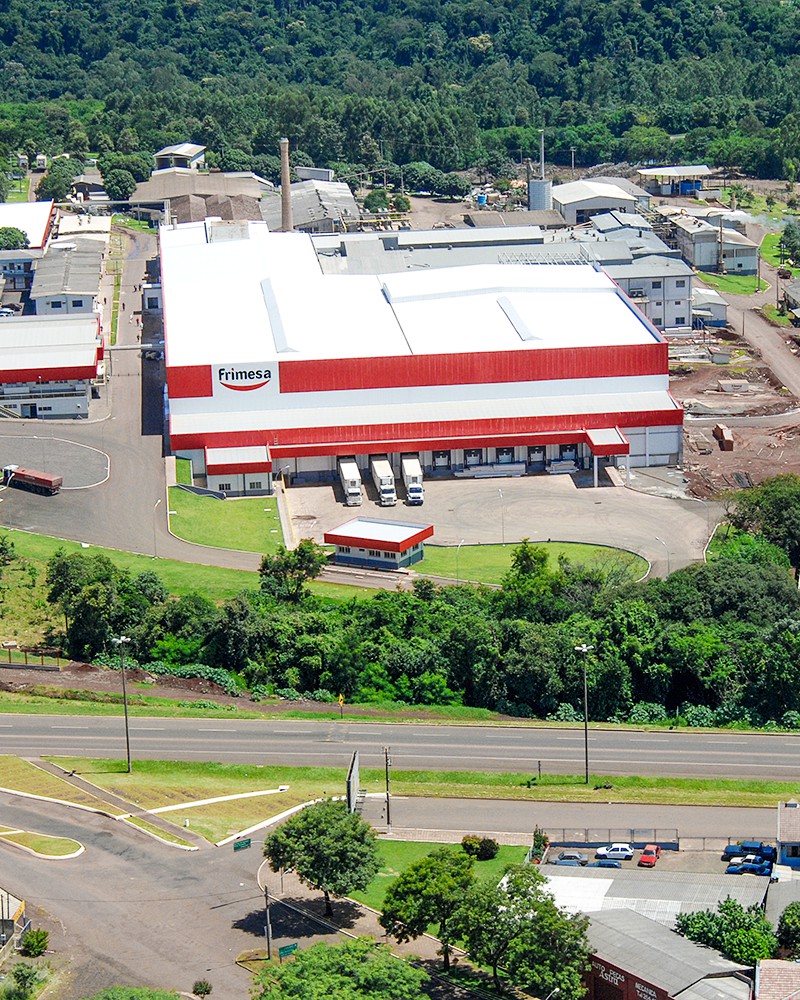
Slaughter Expansion
During Frimesa’s 30th anniversary celebrations, the board of directors inaugurated the first phase of the expansion and modernization of the Medianeira industrial plant. This stage included technological upgrades and modernization of the slaughtering, deboning, storage, and processing lines for hams, sausages, mortadella, cured meats, hamburgers, and hot dogs.
Increase in Distribution
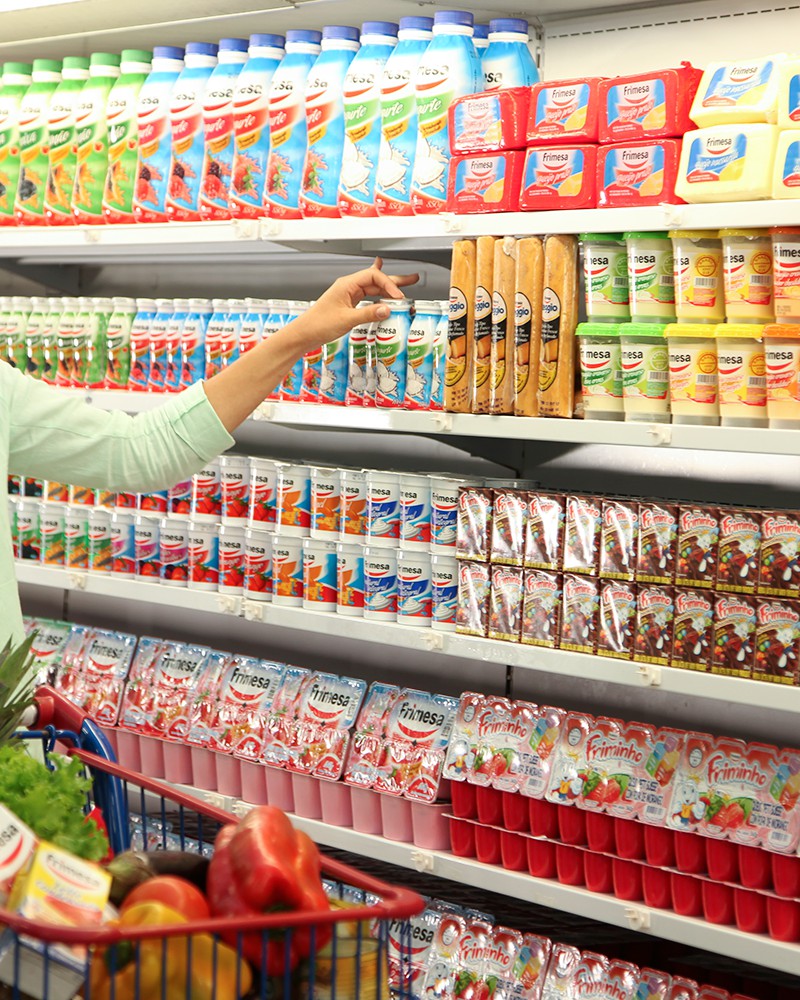
Continuing the investments in the Medianeira plant, Frimesa restructured its Logistics operations, integrating several transportation and handling activities. Additionally, new sales branches were opened in Bebedouro (SP), Itajaí (SC), and Canoas (RS).
Expansion in Matelândia
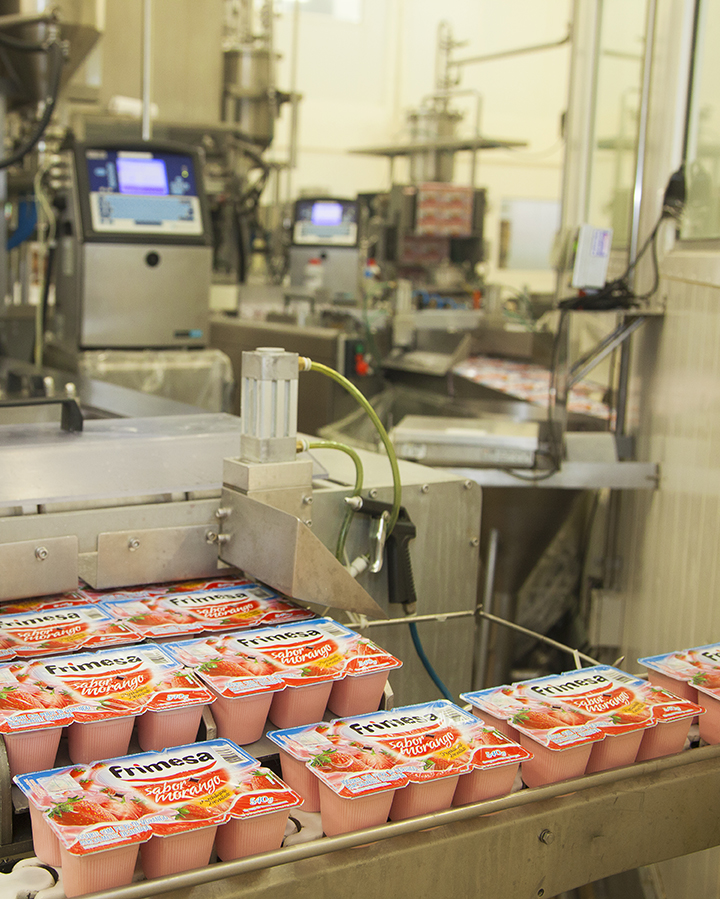
The processes from the Centralpar unit in Curitiba were transferred to Frimesa’s two main plants in Western Paraná. The Marechal Cândido Rondon unit took over creamy cheese production, while the Matelândia unit became responsible for yogurt processing, both in bottles and cups at the time. To support this, Frimesa expanded and modernized the Matelândia refrigerated plant, focusing on yogurt production. Another strategic decision was to exit the pasteurized milk market, aiming to add value and increase profitability.
Frimesa Environmental Park
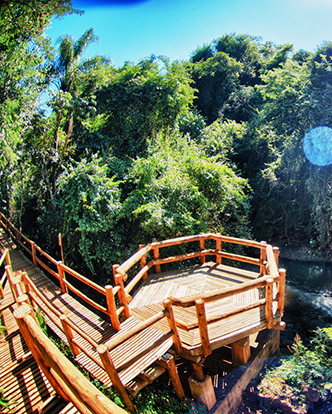
The Frimesa Environmental Park opens its doors, providing the community with a space rich in biodiversity and historical and cultural features, with a focus on environmental education.
Certified Swine Program
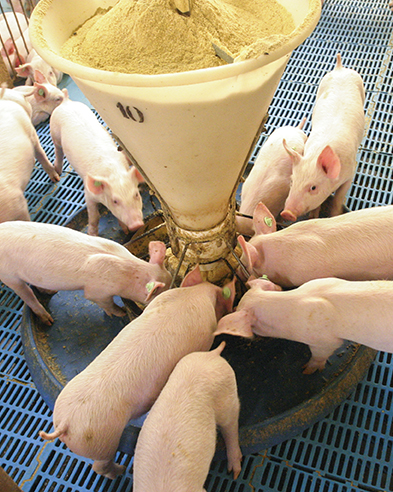
The Frimesa Certified Swine Program was launched to implement full-chain control, adopting operational procedures to standardize the breeding system and ensure the production of safe, high-quality food. Hot air balloon events also marked Frimesa’s 35th anniversary celebration.
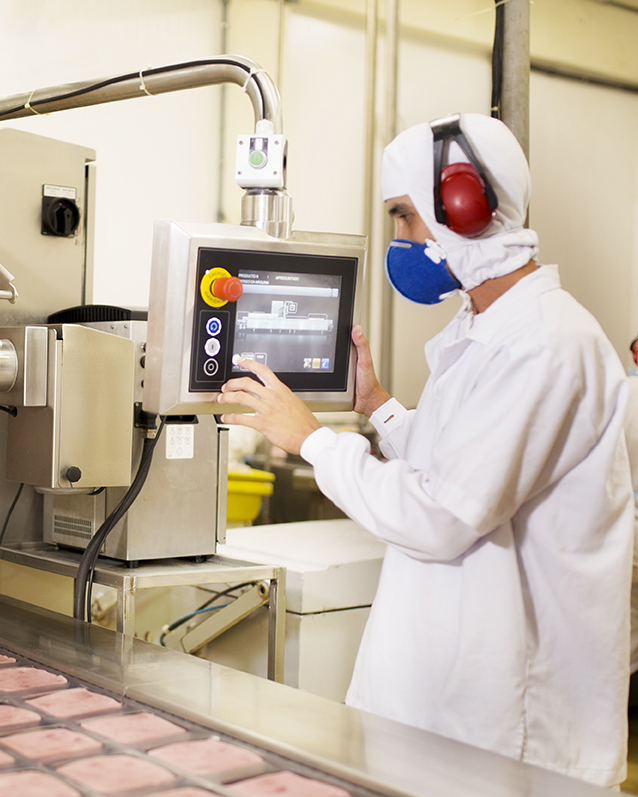
Increase in Industrialization Lines
New investments in the meat plant modernized the industrialization lines, expanding production capacity for bacon, sliced cold cuts, special cuts, hamburgers, sliced meats, smoked salami, sausages, and mortadella. Following this, resources were allocated to the Logistics area.
The expansion led to a significant increase in hiring: 5,440 employees. A culture of innovation was established with the creation of the Strategic Committee, and the Research, Development & Innovation (RDI) area took charge of all development activities.
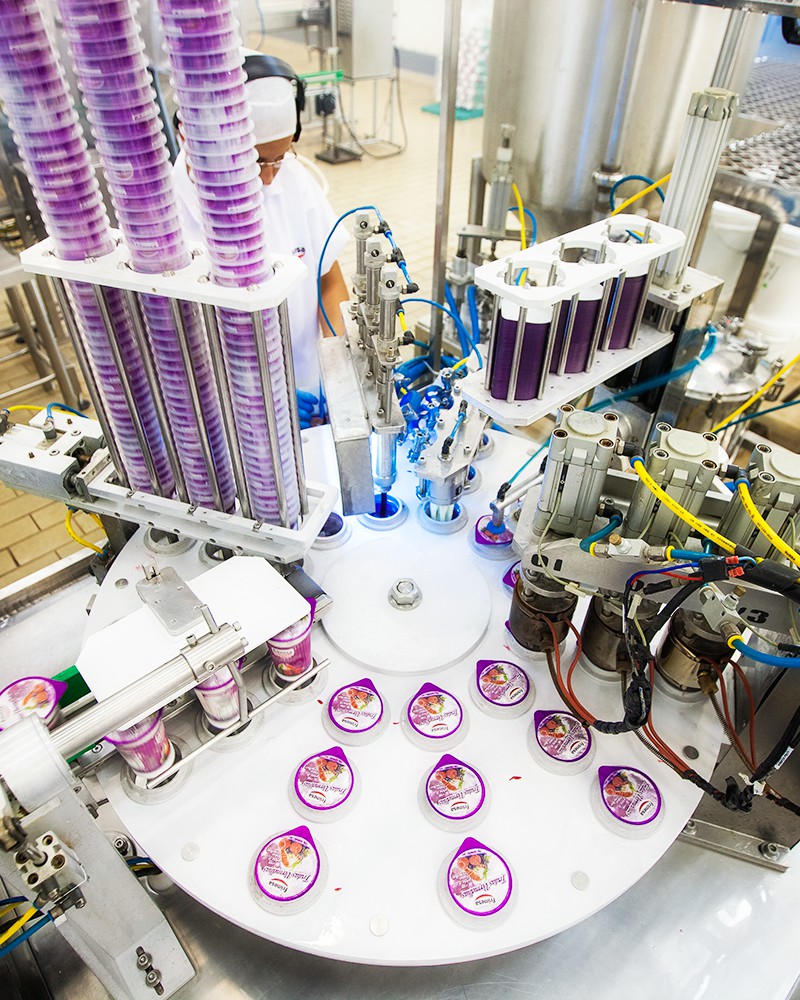
Expansion of Yogurt Production
The Matelândia industrial unit was completed, giving Frimesa an exclusive plant for the production of yogurts, desserts, and dairy drinks. The modernization of the plant reflects the company’s vision of producing value-added foods.
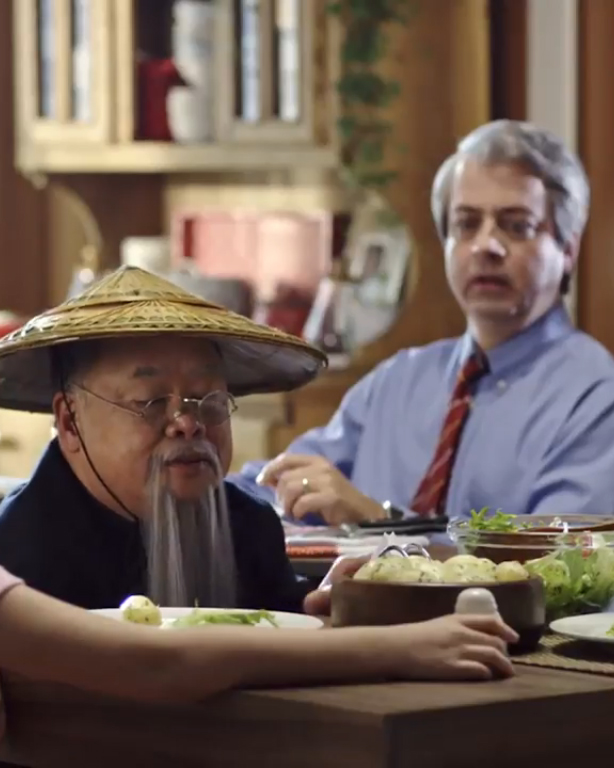
The Meat the World Prefers
The Decade 20 Project was launched, aiming to increase daily pig processing from 6,500 to 21,000. As part of this plan, Frimesa decided to build a new meat plant in Assis Chateaubriand. The marketing campaign “The Meat the World Prefers” was introduced to raise awareness of the brand’s meat portfolio and expand sales in the state of São Paulo
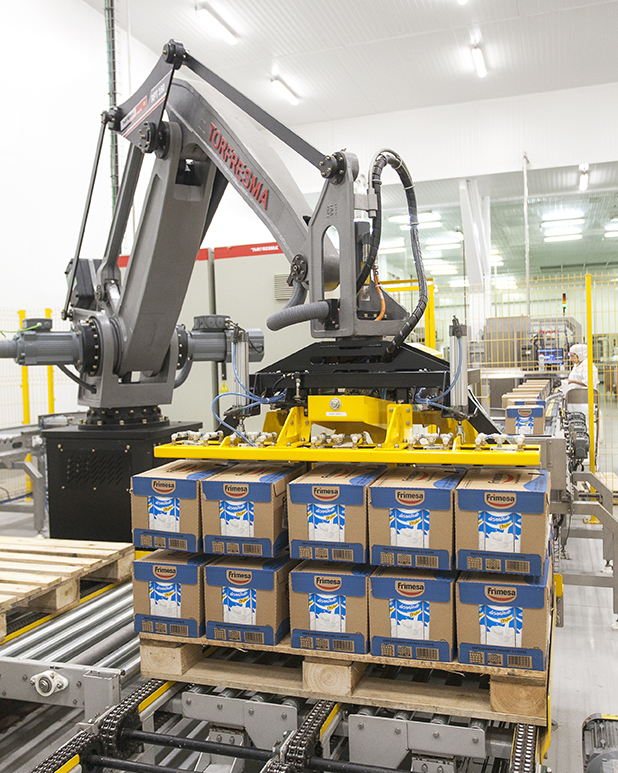
Robots in Industrialization
As part of its technological modernization, Frimesa introduced robots to handle high-effort tasks on the industrialization lines of its main factories. Frimesa also achieved IFS Global Markets Food certification, an international recognition that streamlines client audits, particularly in the supply chain. The growth in pork production paved the way for a new plant in Marechal Cândido Rondon, with a capacity of 1,400 animals per day.
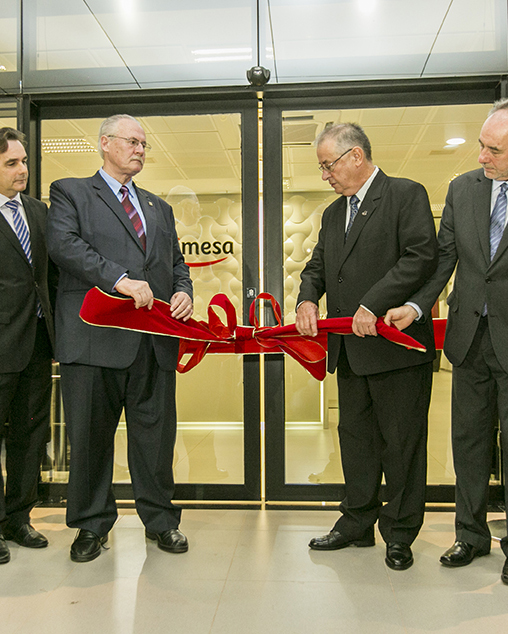
New Administrative Center
On March 31, 2017, Frimesa’s board of directors and employees officially inaugurated four major projects: the new Administrative Center in Medianeira and the completion of expansions and modernizations at the three industrial units. Construction also began on a new cold storage facility with a daily capacity of 21,000 pigs. Frimesa was recognized as the most innovative company and became the most remembered cooperative in Paraná.
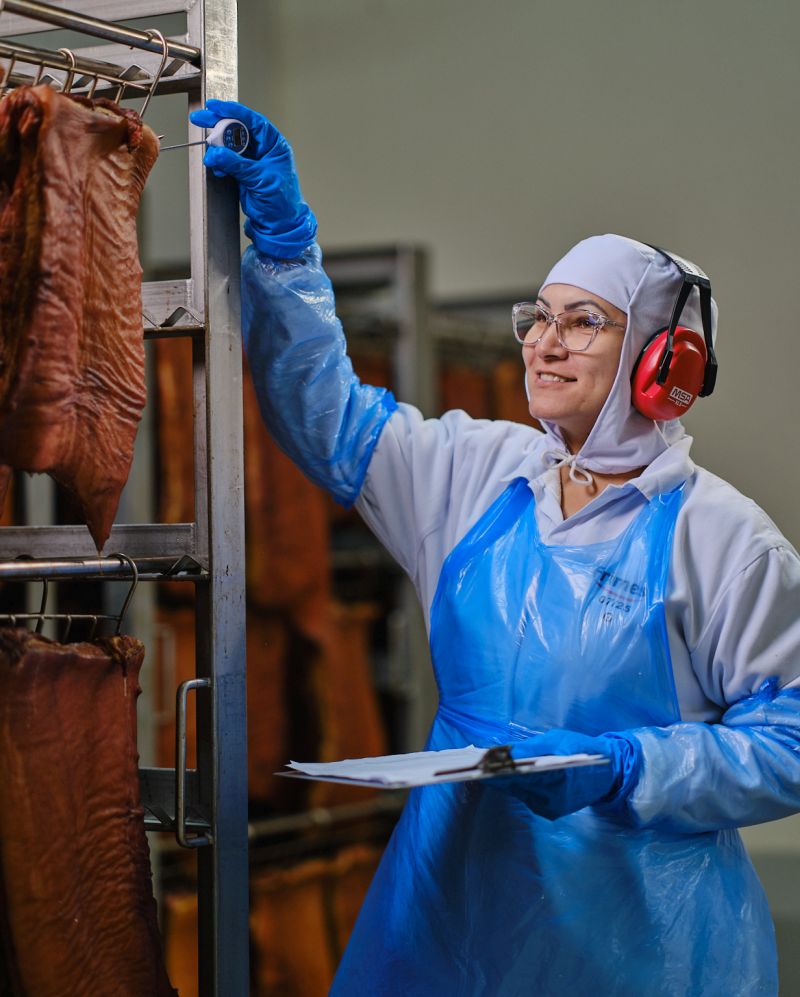
IFS Global Markets Food Certification
The Medianeira industrial plant is certified by IFS Global Markets Food, an internationally recognized food safety company.
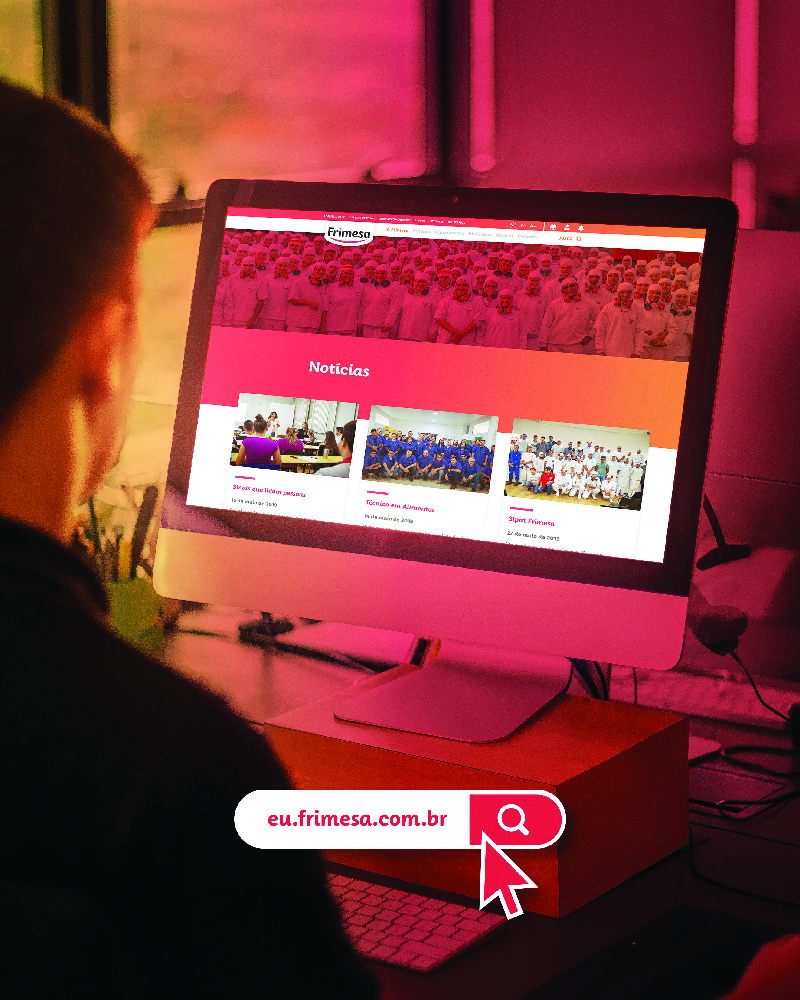
New Employee Portal Address
eu.frimesa.com.br, the new address for the Employee Portal, along with the creation of the Ideas Bank, are Frimesa innovations designed to enhance communication and strengthen employee engagement.

Frimesa Moves Forward
It was defined by the “Avança Frimesa” (Frimesa Moves Forward) project, guided by an optimistic Action Plan in the midst of a challenging pandemic scenario. The company projected revenues of R$ 4 billion, positioning itself to seize post-pandemic opportunities. To support this strategy, it accelerated the R$ 1.5 billion investment in the construction of its new meat processing plant in Assis Chateaubriand. At the same time, it launched the “One Year of Free Groceries” promotional campaign, featuring ambassadors such as Fernando & Sorocaba, with the goal of strengthening relationships with consumers and retail partners.
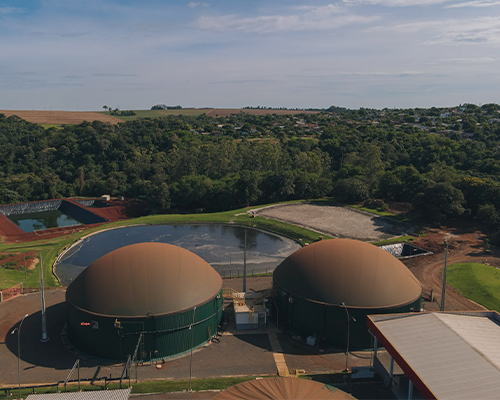
New Developments (Administrative Building Expansion & Biodigester)
In 2021, Frimesa also focused on increasing brand preference through a major new communication campaign, “Those Who Try It Recommend It”, highlighting its products with strong appetite appeal. The objective was to drive sales growth and prepare the brand for increased production capacity, with the planned opening of the new meat processing plant in Assis Chateaubriand in December. In terms of sustainability, the company began operating a biodigester system in Medianeira to improve waste management. According to a survey conducted by Ocepar, Frimesa was cited by 71% of consumers as the most consumed cooperative brand in Paraná.
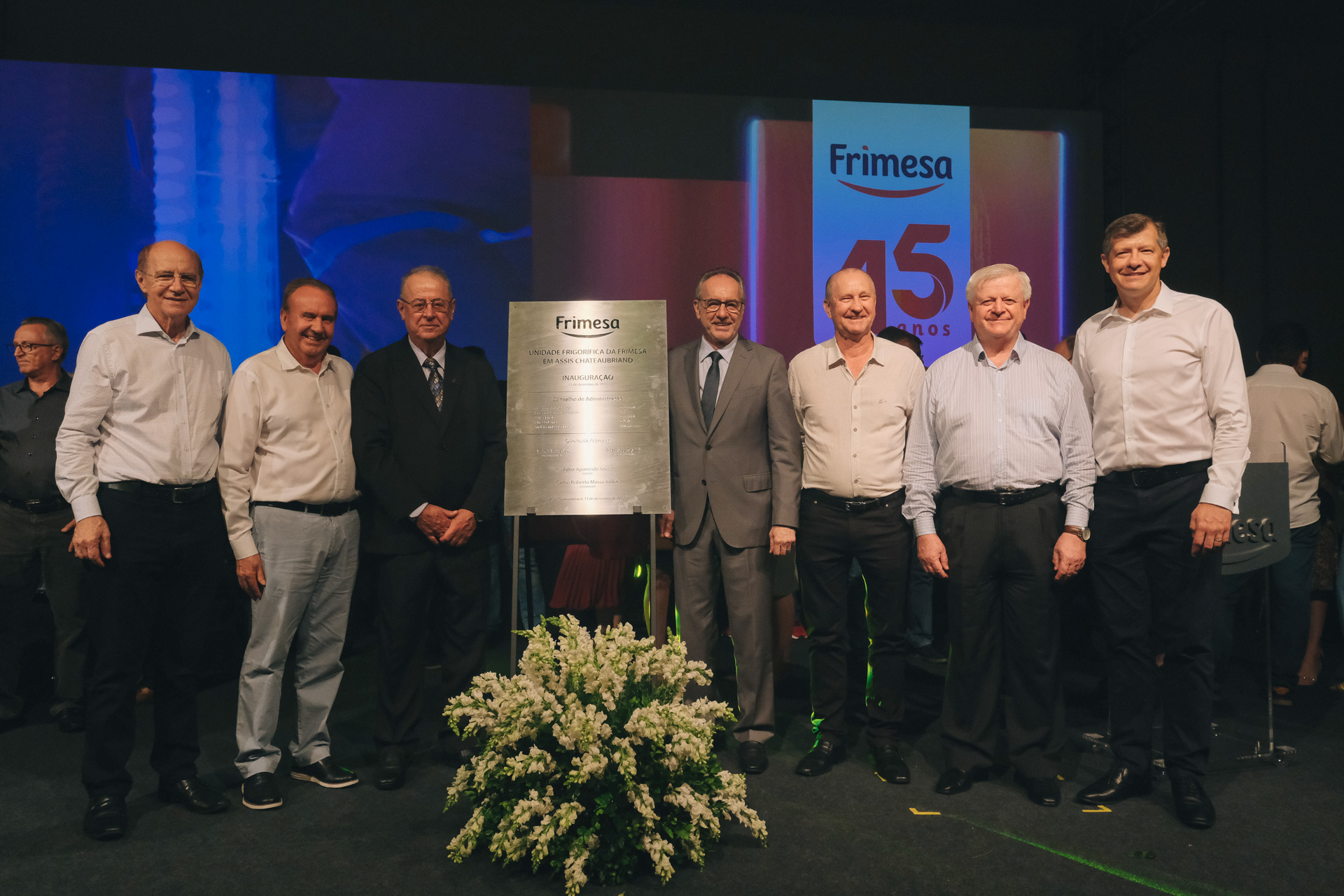
The inauguration of the Assis Chateaubriand plant.
The year marked Frimesa’s 45th anniversary, celebrated with special events, including a concert in Medianeira and the long-awaited opening of the first phase of the new meat processing plant in Assis Chateaubriand. The cooperative demonstrated its maturity and forward-looking vision by earning the Great Place to Work (GPTW) certification, recognizing it as an excellent place to work. Following revenues of R$ 5 billion in 2021, the company further strengthened its governance structure with the launch of a Compliance Program and the creation of the Risk and Integrity Management (GRI) department, reinforcing its commitment to long-term sustainability and business continuity. The sales team was aligned with the challenges of expansion through the Frimesa Moves Forward Sales Convention.
New Leadership and ESG Commitments
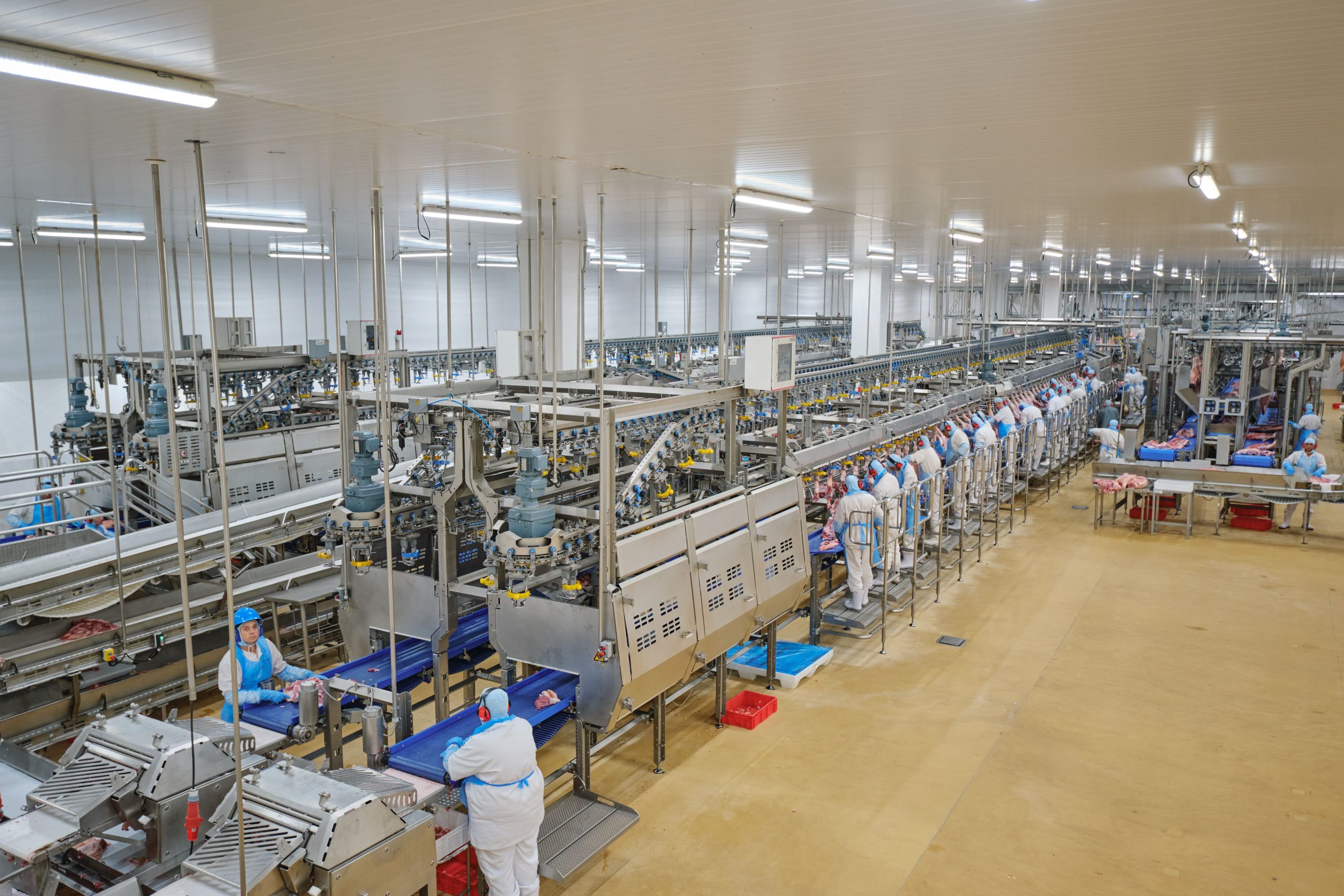
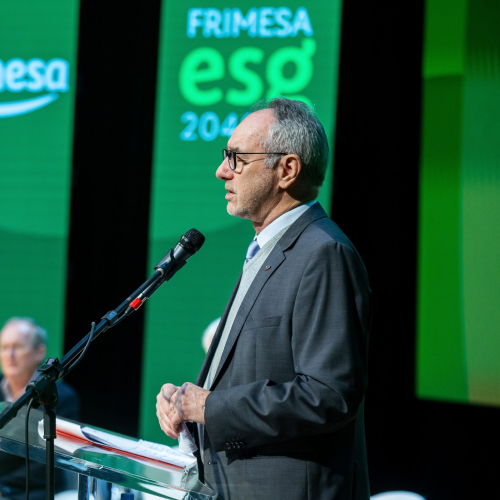
A leadership transition took place with the departure of Valter Vanzella and the appointment of Elias José Zydek as the new CEO, following a statutory reform. A key operational milestone was the start of pig slaughter operations in March at the new Assis Chateaubriand Processing Unit (UFA), with a target of reaching 7,500 animals per day by the end of the year. The new operations were the result of years of investment in developing the production chain with its affiliated cooperatives. In addition, Frimesa became the first cooperative in Brazil to publicly establish a clear and measurable ESG commitment, announcing 15 strategic goals to be achieved by 2040.
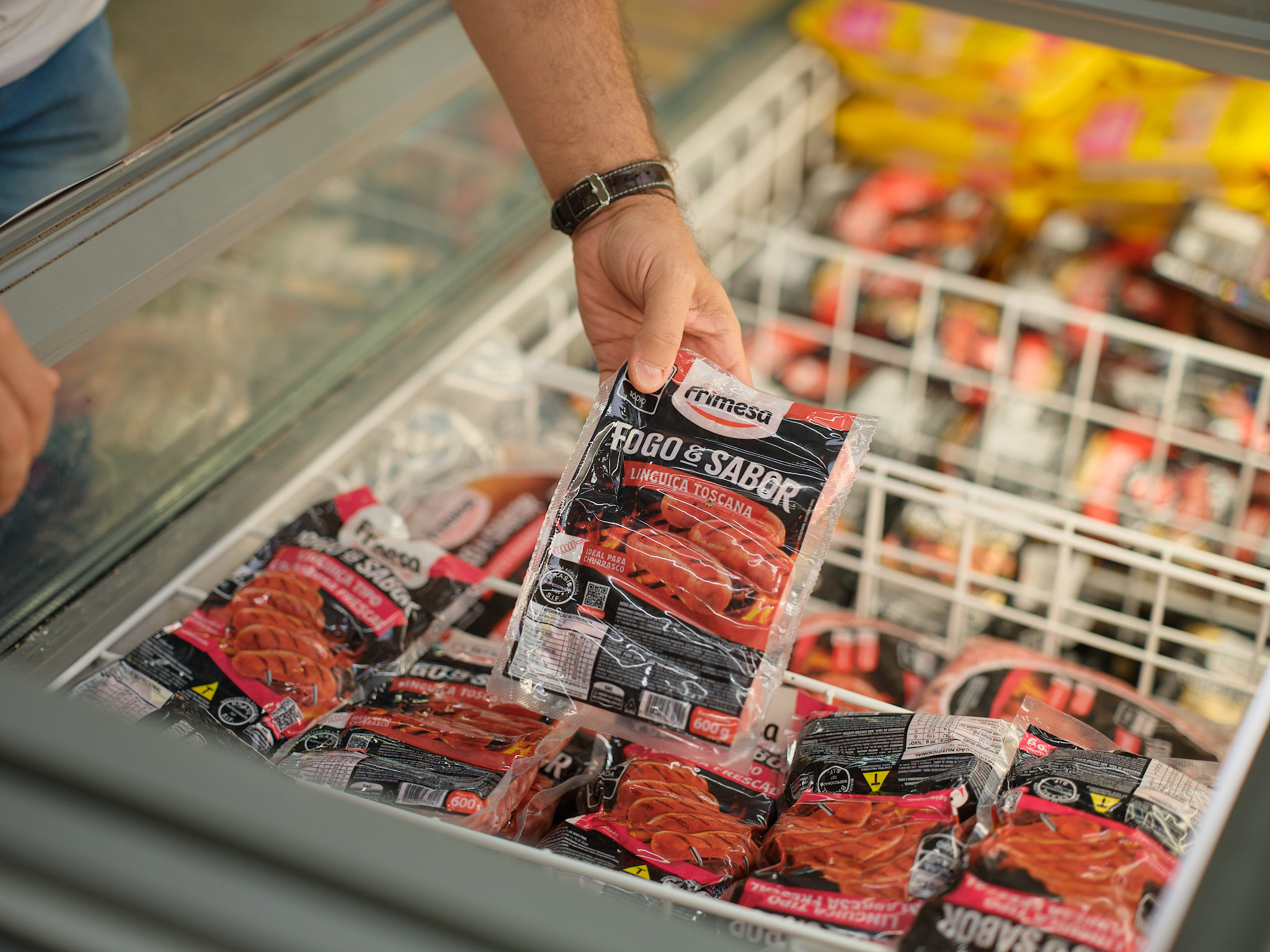
Launch of the Fogo & Sabor line
The launch of the Frimesa Fogo & Sabor (Fire & Taste) line, premium pork products with selected cuts and accompaniments, marked the year 2024. The 360° marketing campaign, under the slogan “Every Moment Can Be Incredible,” aims to strengthen the brand’s image of excellence and added value, targeting a more discerning audience. The launch reflects the company’s growth strategy, particularly in the pork segment. In an important institutional milestone, the company obtained its first Authorized Economic Operator (AEO) certification for Integrated Logistics, granted by the Federal Revenue Service, recognizing it as a low-risk operator.
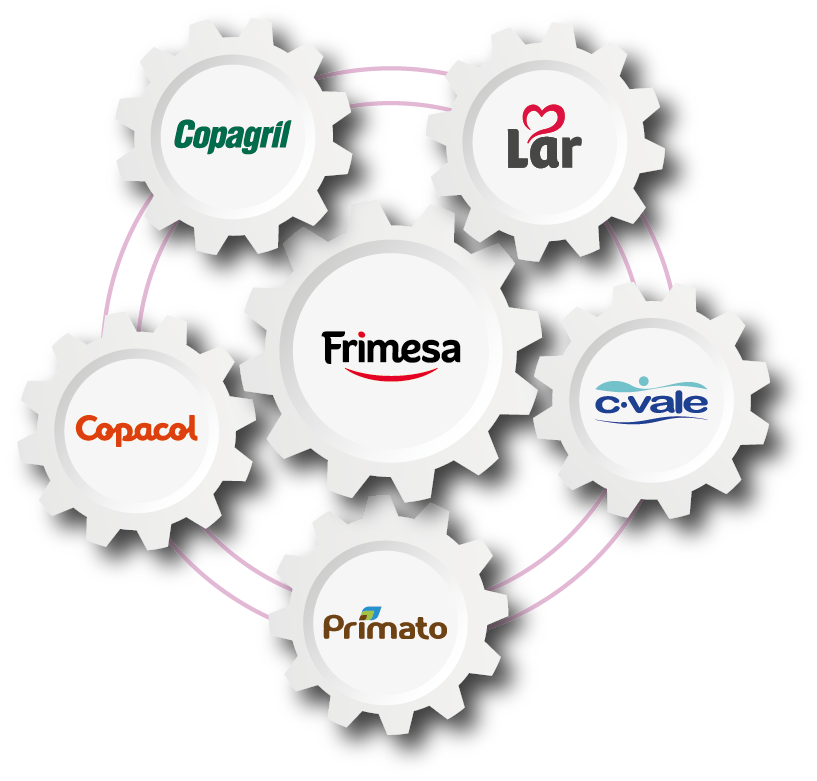
Cooperative system
We are one of the largest Brazilian companies in the animal protein sector. We produce pork and dairy products with a clear purpose: feeding people with quality and responsibility.
Headquartered in western Paraná, we are a Central Cooperative formed by five associated families: Copagril, Lar, Copacol, C.Vale and Primato. Together, they unite thousands of small rural producers who supply our pork and milk.
Our production follows an organized and fully traceable model, ensuring both quality and origin. We guarantee 100% traceability in the pork production chain.
Quality and innovation policy
Quality and innovation are the pillars of our mission: to bring safe, tasty, and reliable food to your table. Our commitment goes beyond production, extending throughout the entire chain to ensure that every Frimesa product is synonymous with excellence and care. Our quality policy serves as a compass guiding all our actions, from selecting raw materials to final delivery, and is structured around clear objectives to continuously improve our processes and products.
our commitment to quality

Animal Welfare - Respect to feed the future
Commitment to Animal Welfare
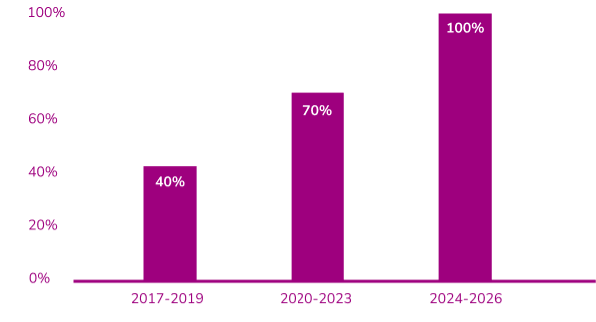
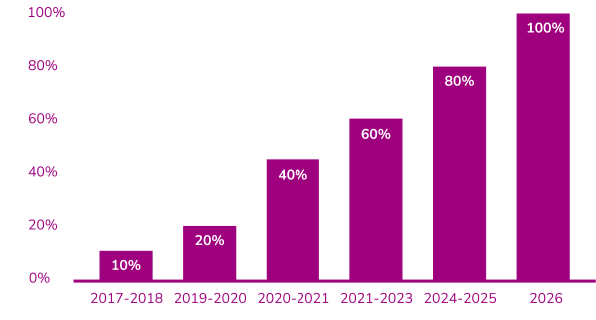
Respecting life is the starting point of our entire production chain. Since 2017, we have been working to make sure that by 2026 all of our female pigs live in group housing during gestation, instead of individual pens. By 2025, we had already reached 58% of this goal, strictly following Normative Instruction No. 113 of the Ministry of Agriculture, Livestock and Supply (MAPA).
Our new farms are designed with animal welfare in mind right from the start. After 35 days of insemination, our sows move into group spaces with enriched environments. Next, we are introducing a “cover-release” system that will allow them to be grouped together even earlier, just seven days after insemination.
Step by step, we are moving closer to our purpose: producing food in a way that is ethical, responsible, and sustainable, while ensuring animals’ well-being every step of the way.
Main Ongoing Initiatives
100% of male pigs undergo immunocastration, ensuring greater well-being by avoiding painful traditional procedures.
We are putting an end to “dent” marking, with complete elimination by December 2025.
Tail management is carried out only in the first three days of life, following IN 113 guidelines.
Our units in Medianeira, Marechal Cândido Rondon, and Assis Chateaubriand are NAMI-certified and part of the Mission to Care program.
All our breeding systems are enriched, including toys and chains (single or branched).
Teeth grinding is only performed when absolutely necessary, and only on the tip of the teeth, to prevent injuries to sows or other piglets.
Frimesa Certified Swine Program: Our goal is to certify 100% of farms by 2026. We have already reached 80%.
Follow our progress
Our Future
At Frimesa, our future is guided by a vision of responsible and sustainable growth, grounded in operational excellence and long-term value creation. The Strategic Project 2032 embodies our commitment to becoming one of the largest food industries in the country, with the goal of doubling revenue to R$ 15 billion.
This growth will be driven by a new management model and the full utilization of our production capacity, with a strong focus on premium, high value-added products.
We reaffirm our commitment to ESG principles, ensuring that Frimesa’s growth and prosperity remain in harmony with the environment and society.
We will continue investing in innovation, technology, and people to ensure the sustainability of the cooperative system and deliver the absolute best of our production to consumers through 2032.